
How Propane Supply and Demand Affect the Availability of Propane for Sale
Propane availability can change throughout the year because the market is influenced by more than local demand. Production, storage inventories, exports, weather, transportation, and seasonal use all affect how much propane is moving through the supply chain. For homeowners and businesses, those factors can influence delivery schedules, pricing, and when to plan for fuel needs.
At Gray's Gas, Inc, we provide residential and commercial propane service throughout Maryland. Understanding what affects the amount of propane for sale can help customers make informed decisions about ordering, storage, and seasonal preparation instead of waiting until a tank is nearly empty.
Start With How Propane Enters the Supply Chain
Propane is produced primarily during natural gas processing and petroleum refining. That means the amount available to the market depends in part on activity in those industries. When production is strong, inventories can build more easily. When production is disrupted or demand rises faster than supply, available volumes can tighten.
Propane also moves between regions through pipelines, rail, trucks, terminals, and storage facilities. Broader supply conditions can influence how easily product reaches a particular area even when local demand is relatively steady.
Watch Export Demand Alongside Domestic Use
The United States is a major propane exporter, so domestic supply is connected to international demand. Propane produced in the U.S. may be sold to overseas buyers when global demand is strong, creating another source of competition for available supply.
According to the U.S. Energy Information Administration, U.S. propane exports reached approximately 2 million barrels per day during the first half of the year, an 11% increase over the previous year. That level of export activity shows why propane availability cannot be understood by looking only at local consumption.
Exports do not automatically create shortages, but they can influence inventories and market balance when domestic demand is also rising.
Expect Winter Weather to Increase Demand
Propane demand is highly seasonal in many parts of the country because it is used for home heating, water heating, generators, agriculture, and commercial applications. Cold weather can increase consumption quickly, particularly when low temperatures affect a large region for an extended period.
When many customers need fuel at the same time, suppliers may experience heavier delivery volume and faster drawdown from storage. Advance planning becomes especially important for customers who depend on propane as a primary heat source.
Gray's Gas, Inc provides routine propane delivery and emergency delivery service, but customers can reduce the likelihood of urgent situations by monitoring tank levels and ordering before the tank becomes critically low.
Understand the Role of Storage Inventories
Propane inventories act as a buffer between production and demand. During lower-demand periods, storage levels may build. Those inventories can then help meet increased needs during winter or other periods of heavy use.
If inventories enter the heating season at healthy levels, the market may be better positioned to absorb colder weather. If storage is already tight, a prolonged demand surge can put more pressure on supply and transportation networks.
The amount of propane for sale at any given time is therefore influenced not only by current production, but also by how much fuel has already been stored and where those inventories are located. National inventory reports can offer useful context, but local availability still depends on regional logistics and supplier capacity.
Factor Transportation Into Local Availability
Propane has to move from production and storage facilities to terminals and then to local customers. That transportation chain can become a limiting factor even when enough propane exists nationally.
Severe weather, road closures, rail delays, equipment shortages, terminal congestion, or unusually high regional demand can slow deliveries. These issues can create temporary local tightness that does not necessarily reflect a nationwide shortage.
For customers, this is one reason a reliable local supplier matters. Gray's Gas, Inc maintains residential and commercial delivery service throughout its Maryland service area and does not charge an additional delivery fee beyond the cost of the propane itself.
Consider Agricultural and Commercial Demand
Residential heating is only one source of propane demand. Agriculture may use large volumes for crop drying, livestock facilities, and other seasonal needs. Commercial operations may depend on propane for heating, cooking, process equipment, forklifts, or backup systems.
When several sectors increase consumption at the same time, demand can rise faster than expected. A cold fall combined with a strong crop-drying season, for example, may place more pressure on regional supplies than normal residential demand would create by itself.
Businesses searching for propane for sale should consider usage patterns and storage capacity before peak seasons begin. Planning deliveries ahead of known demand periods can make operations easier to manage.
Recognize How Prices Respond to Supply and Demand
Propane prices can move when supply and demand fall out of balance. Higher demand, lower inventories, transportation constraints, production changes, and stronger export activity can all influence wholesale market conditions. When supply is plentiful relative to demand, price pressure may ease.
Retail price changes are rarely tied to one cause. Local distribution costs, storage, delivery logistics, and timing also matter.
The practical takeaway is that availability and price are connected but not identical. A supplier may still have propane for sale during a high-demand period, while market conditions make that fuel more expensive to replace and distribute.
Plan Tank Size Around Actual Usage
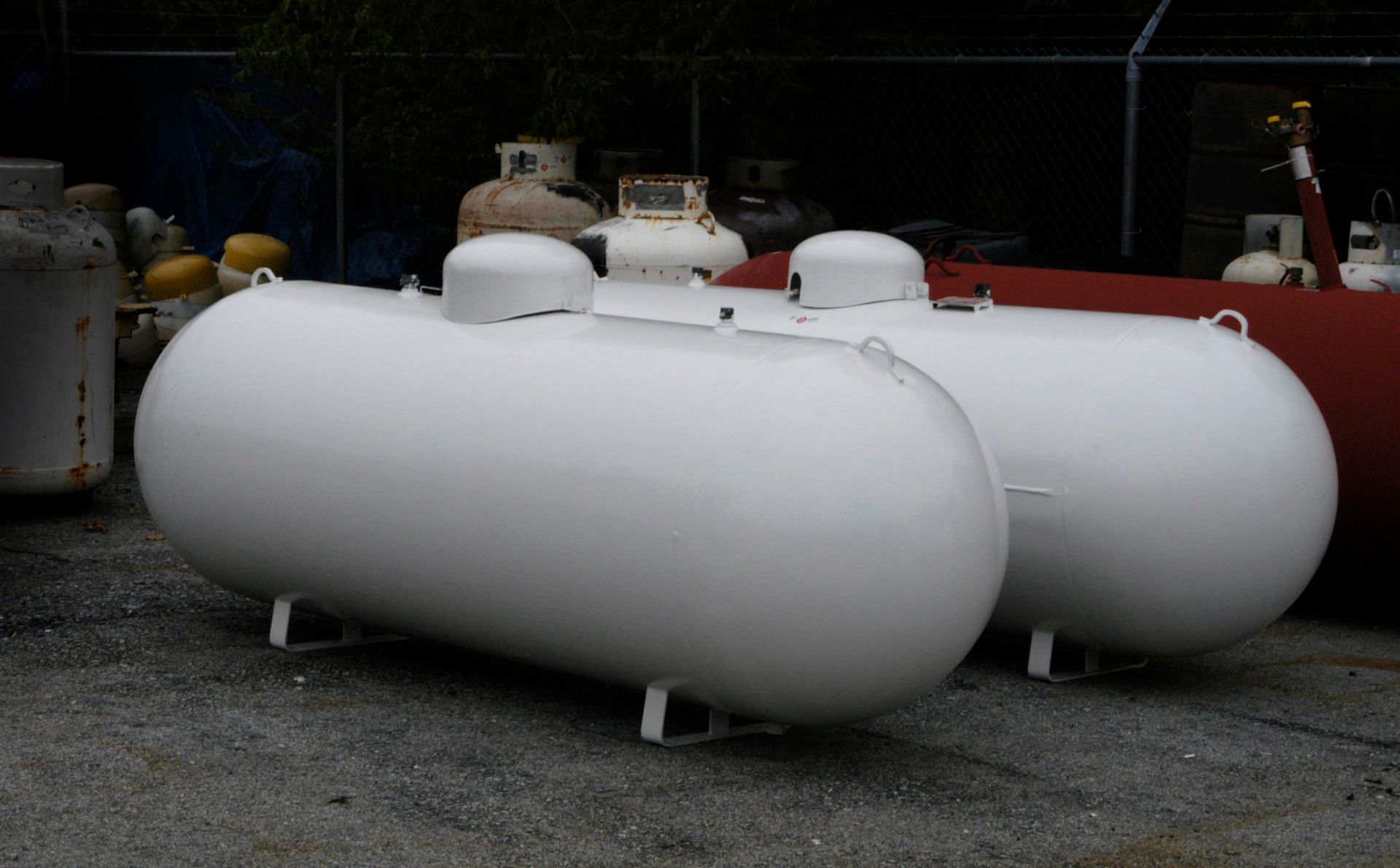
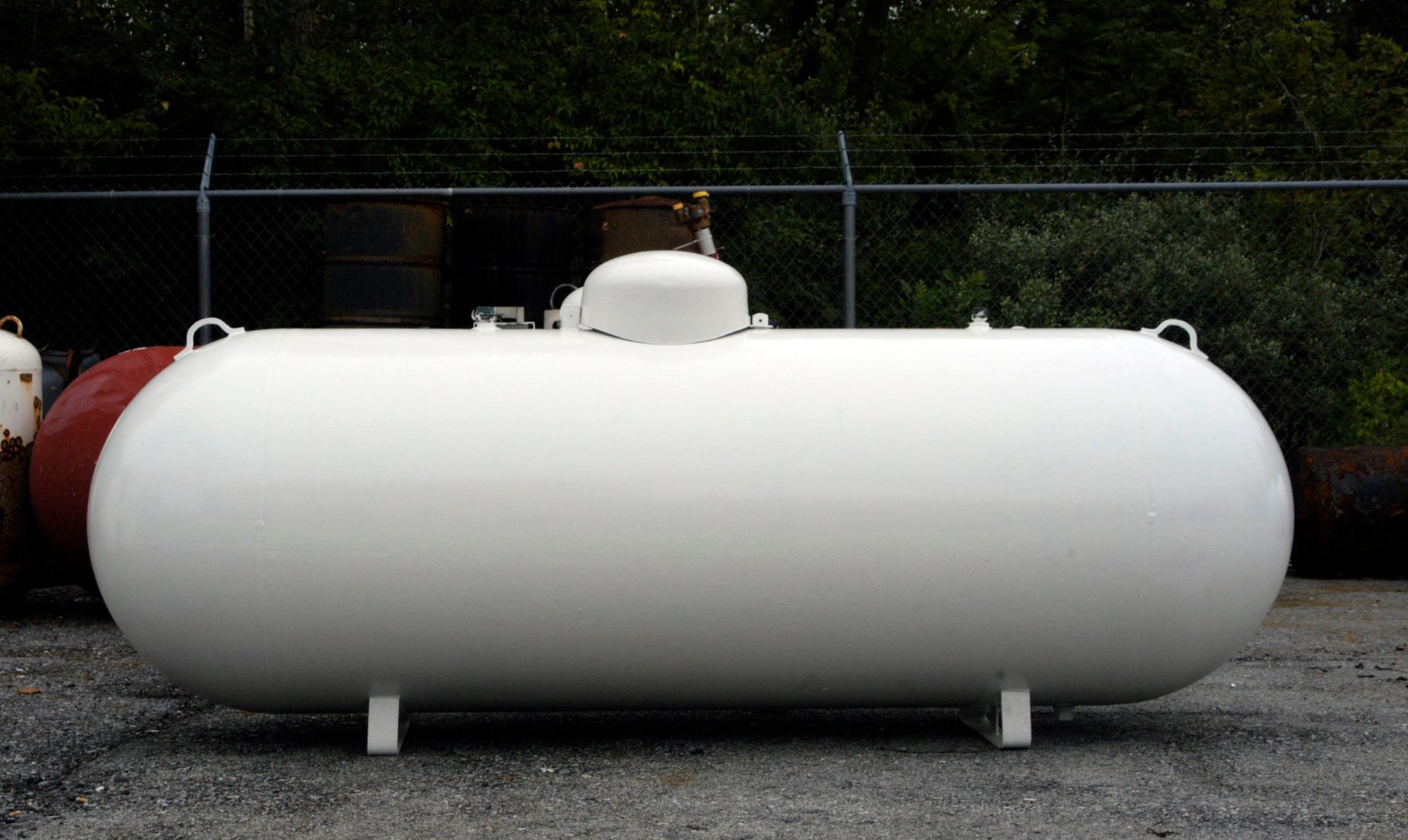
Storage capacity can give customers more flexibility when market demand increases. A properly sized tank allows a home or business to hold a larger supply on site, potentially reducing how often deliveries are needed during periods of heavy consumption.
Tank sizing should reflect appliance use, property space, delivery access, and expected seasonal consumption. The largest available tank is not automatically the best choice.
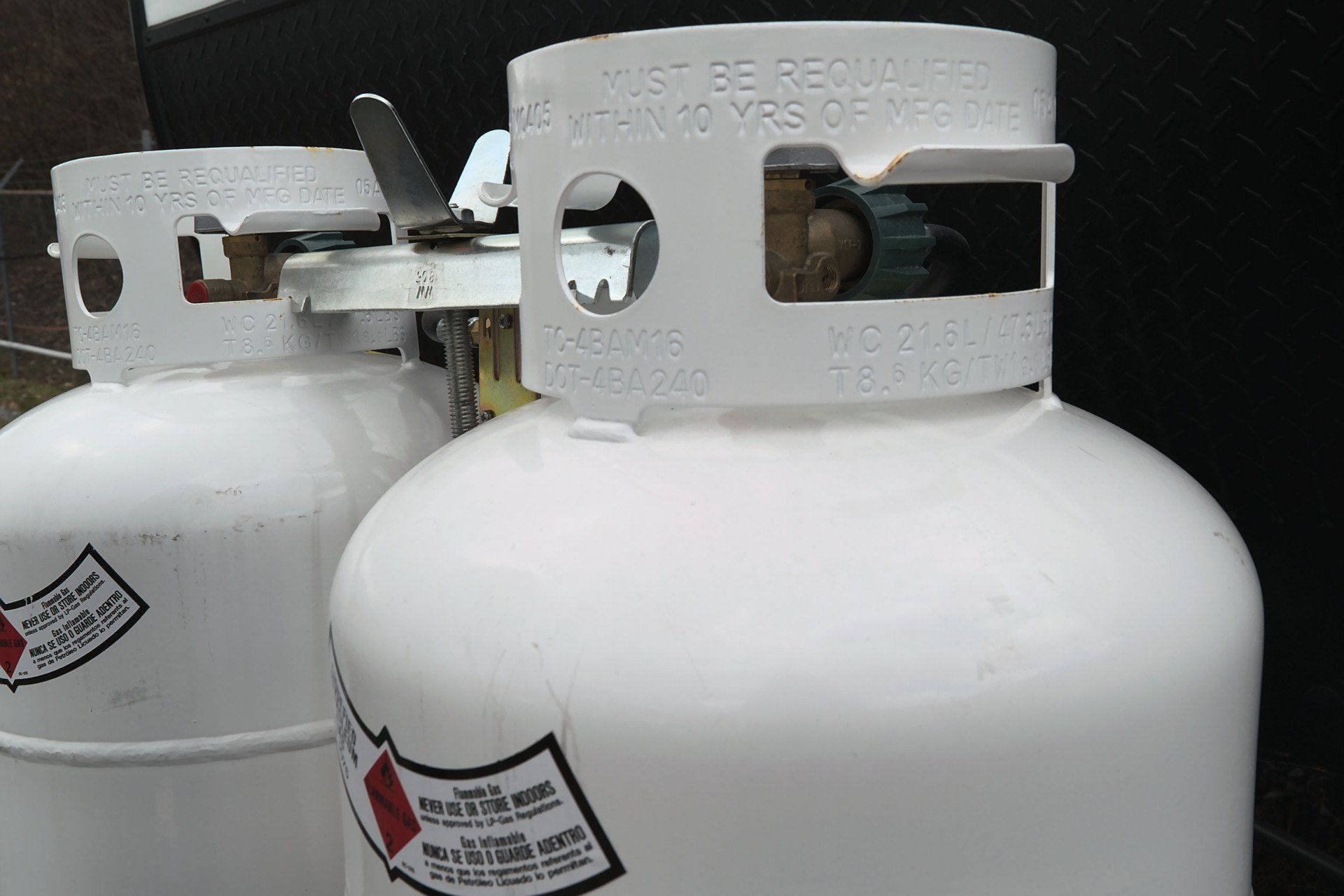
Gray's Gas, Inc offers multiple tank and cylinder sizes for residential and commercial customers. Our team can help explain available options and how different storage capacities may fit a property's actual propane needs.
Use Maintenance to Support Reliable Propane Service
Supply planning is only one part of dependable propane use. Tanks, regulators, lines, and connected equipment also need to be maintained appropriately. A full tank does not help if the delivery system or appliance has a problem that prevents safe operation.
Gray's Gas, Inc provides routine system maintenance in addition to propane sales and delivery. Customers should report unusual odors, appliance problems, visible equipment damage, or other concerns promptly and follow professional safety guidance rather than attempting to repair propane equipment themselves.
For customers comparing propane for sale, service support can be as important as price. A supplier that can deliver fuel, provide maintenance, and respond to urgent needs offers more complete support over the life of the system.
Prepare Before Peak Demand Arrives
Customers cannot control exports, inventories, or winter weather, but they can prepare for them. Checking tank levels, understanding typical consumption, maintaining equipment, and ordering before an urgent shortage develops can reduce unnecessary stress.
Before peak heating season, consider:
- Tank level: Know how much propane is currently available instead of estimating from memory.
- Typical usage: Review how quickly the household or business normally consumes fuel during colder weather.
- Delivery timing: Place orders before the tank reaches a critically low level whenever possible.
- Storage capacity: Ask whether the current tank size matches the property's actual demand.
- Equipment condition: Schedule service if the propane system or connected appliances are showing signs of trouble.
Gray's Gas, Inc provides residential and commercial propane sales, delivery, multiple tank and cylinder options, system maintenance, and emergency delivery throughout Maryland. Free estimates are available, and customers do not pay an additional delivery fee beyond the propane itself.
If you are looking for propane for sale or want to plan ahead for seasonal demand, contact the team at Gray's Gas, Inc to review tank size, delivery needs, and service options so you can maintain a dependable propane supply through changing market conditions.







Share On: