
6 Signs It’s Time to Refill Your Propane Tank
Propane tanks are an essential part of many households and businesses, used for heating, cooking, and powering various types of equipment. Running low at the wrong moment can interrupt daily routines. This is why it's important to understand when a propane tank refill is needed for maintaining consistent use. Recognizing early indicators helps reduce disruptions and keeps systems operating smoothly without unnecessary downtime.
Staying aware of usage patterns and system behavior can make it easier to anticipate when fuel levels are dropping. A propane tank refill scheduled ahead of time helps maintain steady performance across appliances and avoids last-minute issues that can affect comfort or operations. This awareness also supports safer and more consistent energy use overall.
1. Efficient Gauge Monitoring
Check Gauge Readings
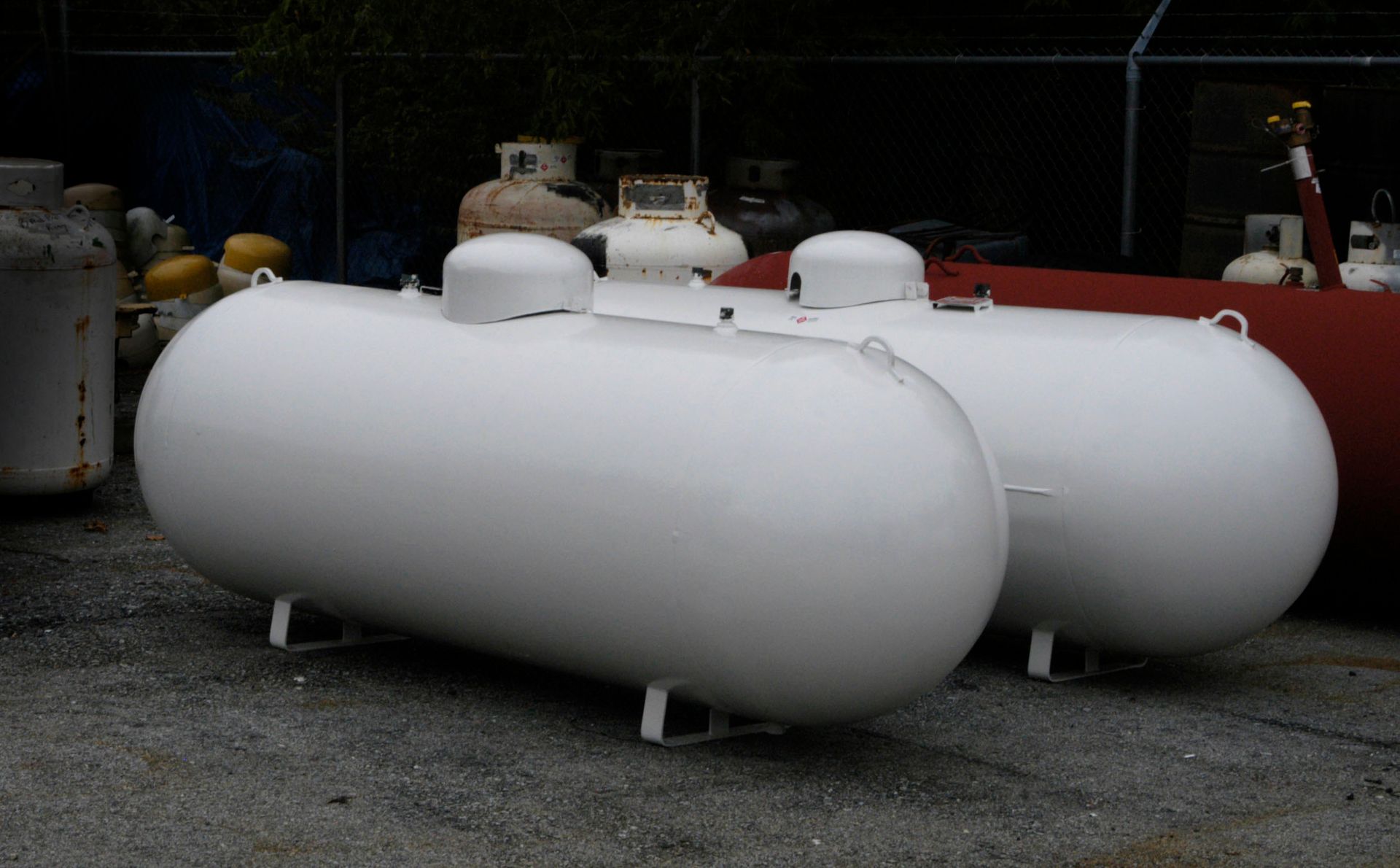
One of the most straightforward signs is a low reading on your propane gauge. A propane tank gauge is designed to show how much propane remains in the tank, typically measured as a percentage of capacity. Propane tanks are only filled to about 80% to allow room for expansion, which is important when interpreting gauge readings. According to Today's Homeowner, propane tanks are never filled to full capacity but only to 80% to leave space for the propane to expand as temperatures rise, which is important to know before choosing a tank size.
Plan Propane Tank Refill Timing
Understanding how to read your gauge correctly helps prevent both premature refills and unexpected depletion. Most gauges are mounted directly on the tank and provide a general estimate of remaining fuel. Planning a propane tank refill when levels reach around 20–25% helps reduce the chance of running low during peak usage. This approach supports more predictable energy management and avoids unnecessary interruptions.
Inspect Gauge Performance
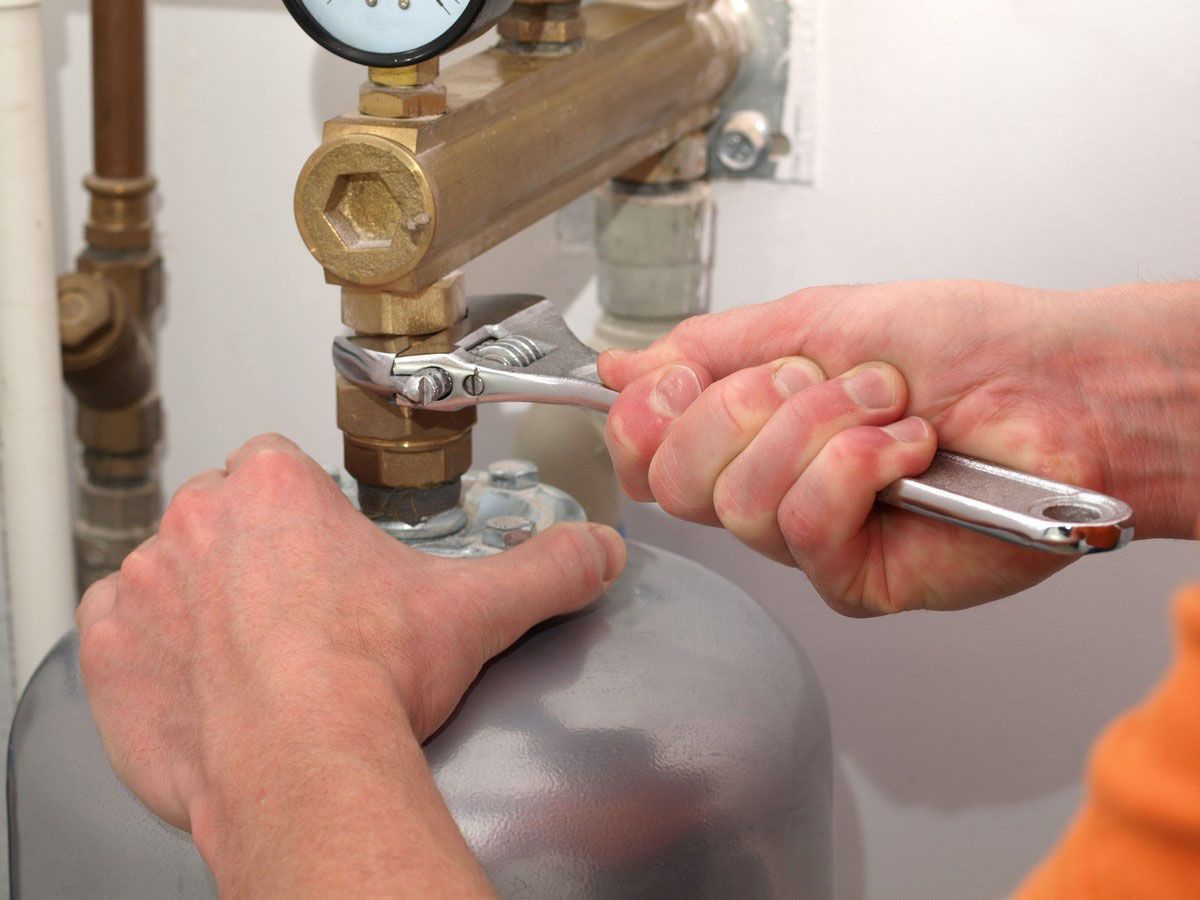
While gauges are generally dependable, readings can sometimes become unclear due to wear, damage, or mechanical issues. If readings appear inconsistent or do not match recent usage patterns, it may indicate a problem with the gauge or the tank system. In these cases, having the propane system checked as part of a routine inspection can help confirm whether everything is operating properly and whether a propane tank refill is needed.
2. Reliable Heating Operation
Evaluate Heating Efficiency
Heating appliances that run on propane can become inefficient if the supply is low. Reduced propane levels can affect how effectively furnaces and other heating systems operate, sometimes resulting in weaker performance or inconsistent heating output. These changes often signal that a propane tank refill may be necessary to restore proper function.
Prevent Air in System Flow
Air entering the system can also contribute to irregular operation when propane levels are very low. This may lead to sputtering or uneven appliance performance. Keeping propane levels adequately maintained helps reduce these issues and supports more consistent appliance function while delaying the need for a propane tank refill.
Monitor Temperature Output
Uneven heating, cold spots, or reduced appliance performance can indicate that it may be time to check propane levels. If supply issues are ruled out, it may be helpful to have the system evaluated to ensure everything is operating as intended before scheduling a propane tank refill.
3. Stable Pilot Function
Observe Pilot Stability
The role of propane in maintaining pilot lights is essential for many appliances. When propane levels become low, the pilot light may become unstable or go out more frequently, which can signal that a propane tank refill is approaching. This is often one of the earliest operational signs of reduced fuel supply.
Identify Pilot Disruptions
However, pilot light issues can also be caused by other factors such as drafts, buildup, or mechanical wear within the appliance. These factors should be considered alongside propane levels when troubleshooting the issue. Identifying the correct cause helps determine whether a propane tank refill or appliance service is needed.
Check Fuel Supply
If pilot light interruptions continue, checking the propane supply is a practical first step. Ensuring the tank and connected systems are functioning properly can help maintain consistent operation and determine whether a propane tank refill is required.
4. Safe Tank Conditions
Detect Odor Signs
A propane leak is often identified by a distinct odor similar to rotten eggs. This scent is added for safety purposes since propane itself is odorless. Any unusual smell near a tank should be taken seriously and investigated promptly, as it may also indicate a need for a propane tank refill if supply issues are present.
Prevent Hazard Exposure
Propane leaks can create hazardous conditions, so it is important to avoid using open flames or operating appliances if a leak is suspected. The safest approach is to leave the area and have the system evaluated. Addressing concerns early helps maintain safe conditions and prevents unnecessary disruption to propane tank refill scheduling.
Schedule System Inspection
Regular inspections of propane equipment can help identify issues early and maintain safe operation. Any persistent odor should be treated as a signal to pause usage and assess the system before continuing normal activity or planning a propane tank refill.
5. Consistent Stove Performance
Assess Flame Behavior
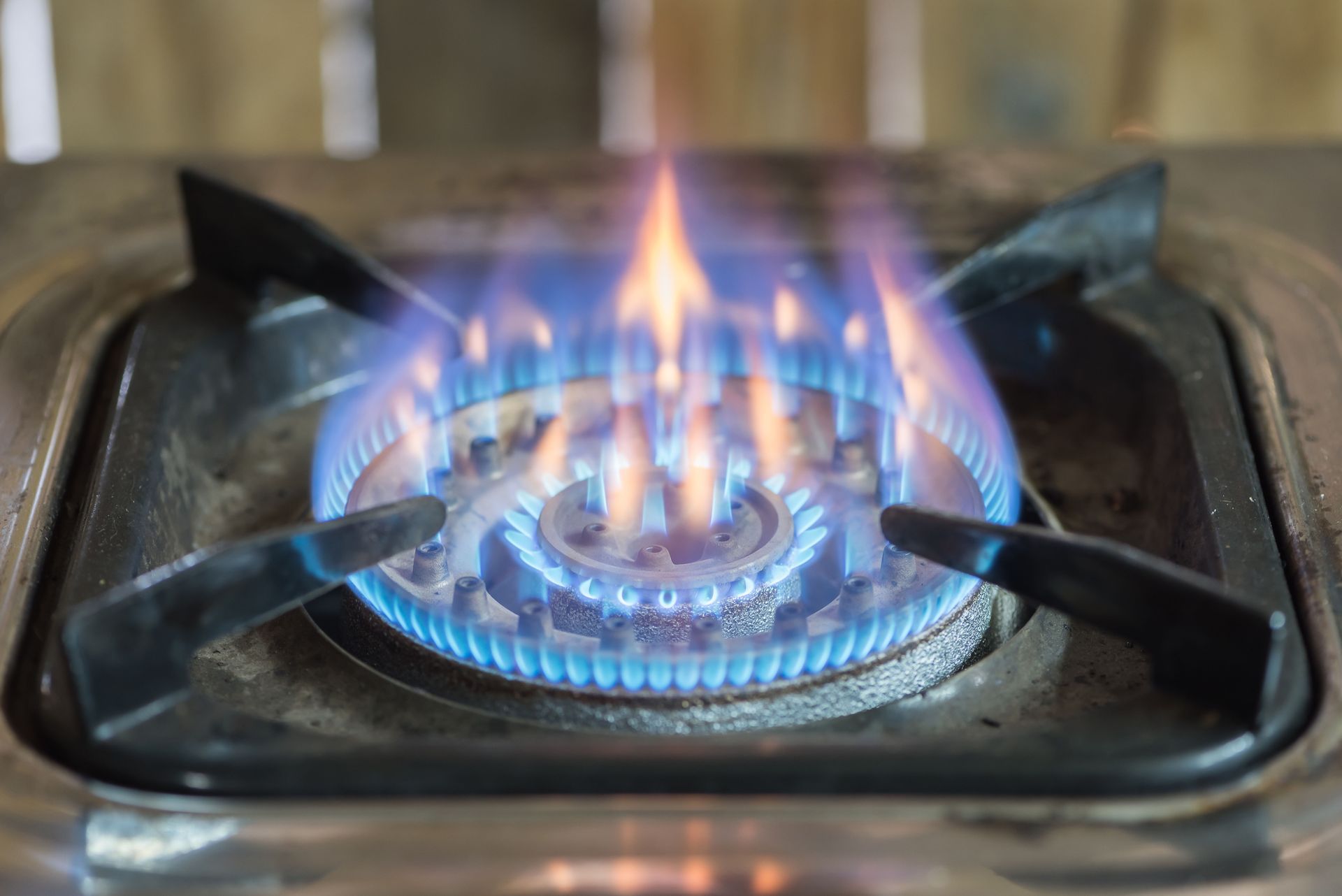
Issues with stove flames can often be traced back to propane supply levels. A sputtering or weak flame may indicate that propane is running low or not reaching the appliance consistently, which can mean a propane tank refill is needed soon. Monitoring flame behavior can help identify supply issues early.
Maintain Flame Stability
As levels decrease, pressure within the system may also drop, affecting flame stability. Monitoring how appliances perform can help identify when a propane tank refill may be needed. Consistent flame quality is often a strong indicator of sufficient fuel levels.
Verify Supply Levels
If flame issues occur, checking the propane level is a good first step. If supply is adequate, further inspection of the appliance or gas line may be needed to identify the cause before proceeding with a propane tank refill.
6. Accurate Tank Measurement
Weigh the Tank
Weighing a propane tank can help estimate how much fuel remains when a gauge is not available or appears inaccurate. Comparing the current weight to the tank’s empty (tare) weight provides a useful reference point. This method can help determine whether a propane tank refill is approaching.
Calculate Remaining Fuel
Because propane tanks are only filled to about 80% capacity, understanding their full and empty weight range helps in estimating remaining fuel more accurately. This method can be especially helpful when monitoring usage over time and planning a propane tank refill before levels become too low.
Track Usage Patterns
Tracking usage patterns and refilling before levels become too low helps maintain consistent service and avoids interruptions in appliance operation. A well-timed propane tank refill supports steady performance across heating and cooking systems.
Recognizing the signs of low propane levels helps prevent interruptions and supports safe, consistent use of heating and cooking appliances. Keeping an eye on tank levels and how appliances are performing makes it easier to schedule a propane tank refill ahead of time and avoid unexpected outages.
Staying aware of overall system performance, along with scheduling inspections when needed, helps ensure everything continues running efficiently throughout the year. These habits also reduce the likelihood of emergency situations that require immediate attention instead of a planned propane tank refill.
To learn more about propane delivery, tank services, system maintenance, and appliance support for residential and commercial needs, Gray's Gas, Inc. serves customers throughout our Maryland service area.


Share On: