
Seasonal Shifts in Propane Gas Use Explained
Propane gas is one of the most versatile and widely used energy sources for homeowners, businesses, and agricultural operations. Its stability, efficiency, and clean-burning performance make it an essential fuel throughout the year. However, propane usage does not stay constant as the seasons change. Shifts in temperature, weather patterns, daily routines, and fuel demands all influence how much propane gas customers require at different times of the year. Understanding these seasonal patterns helps households and businesses plan more effectively, manage costs, and ensure reliable access to fuel when they need it most.
Across the country, seasonal fluctuations in propane consumption are more pronounced in areas where weather patterns vary dramatically. Propane gas powers many systems—heating appliances, water heaters, generators, cooking equipment, agricultural dryers, and more—and each application peaks at different times depending on the season. These fluctuations can also impact supply, pricing, and delivery schedules. By looking closely at how seasonal changes influence propane gas use, customers can better predict their needs and avoid disruptions, especially during high-demand periods.
Understanding How Temperature Influences Propane Gas Use
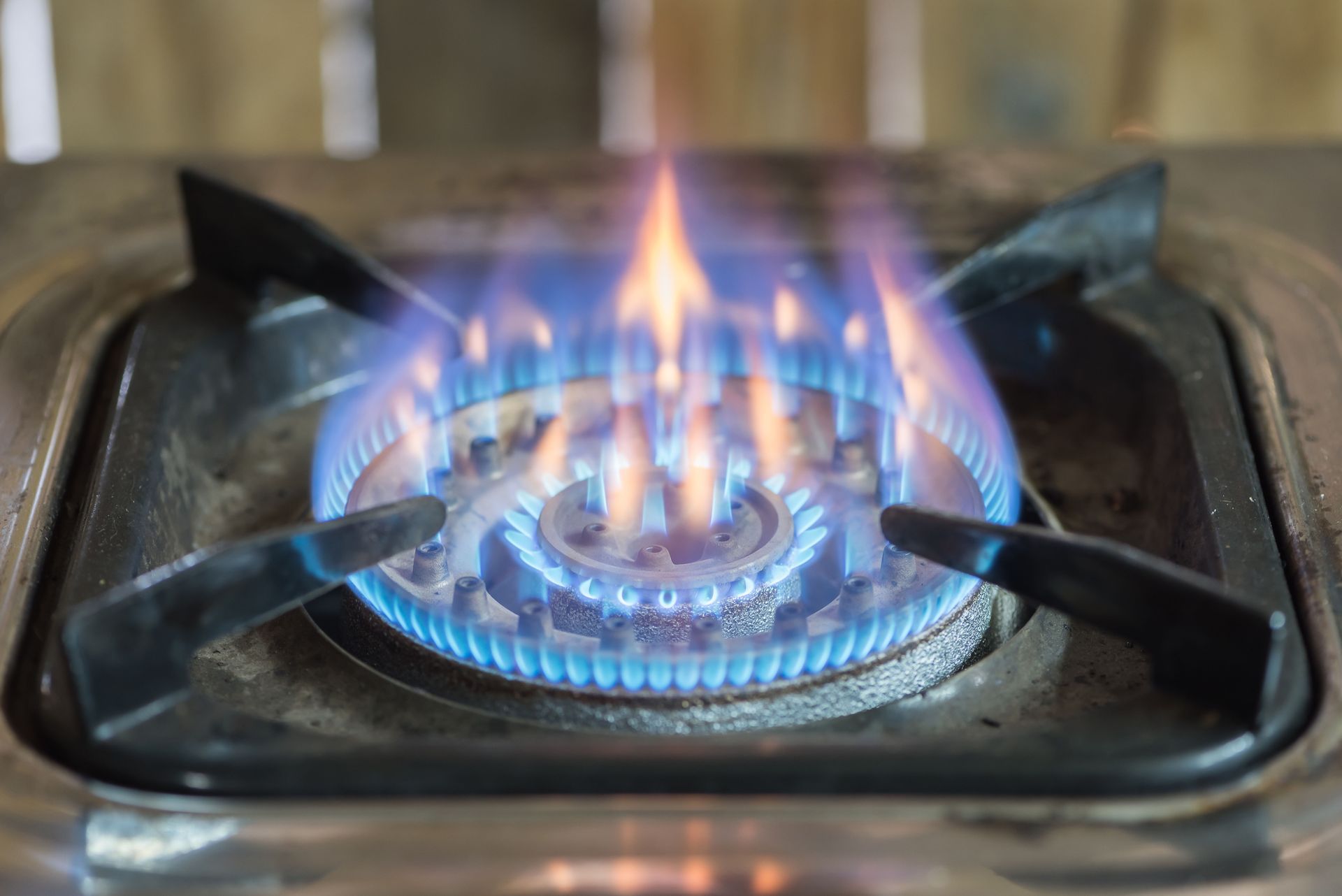
Temperature is the most significant factor dictating when propane gas demand rises or falls. During colder months, heating needs increase sharply as homes and businesses rely on propane furnaces, boilers, space heaters, and fireplaces to stay warm. Severe cold snaps, in particular, trigger dramatic spikes in fuel consumption. According to the US Energy Information Administration, U.S. propane consumption reached 1.48 million barrels per day (b/d) in January 2025, the most January consumption on record since January 2005 and the most for any month since February 2007, as severe cold drove up heating demand across much of the country.
In contrast, warmer seasons typically see a decline in heating-related propane use. However, this does not mean propane gas demand disappears in spring and summer. Instead, it shifts toward other applications such as outdoor cooking, pool heating, agricultural operations, and standby generator usage. Understanding these seasonal patterns helps customers anticipate when their propane tanks will need more frequent refills and when their usage may taper off.
Even within the same region, year-to-year weather variability can influence how much propane gas a property consumes. A milder winter may lead to lower heating demand compared to a winter filled with extended cold spells. For that reason, monitoring long-range forecasts and maintaining steady communication with a propane provider ensures customers stay prepared.
Identifying Winter Peaks in Propane Gas Demand
Winter is the season when propane gas demand is at its highest for most residential and commercial customers. Heating systems operate around the clock, and colder temperatures increase the workload on furnaces and boilers. Homes with poor insulation, drafty windows, or older heating appliances may experience even higher consumption. Additional wintertime uses—such as powering backup generators during snowstorms or ice-related outages—also contribute to seasonal peaks.
Businesses such as restaurants, greenhouses, warehouses, and livestock operations may also rely heavily on propane gas during winter. Heating large spaces, protecting livestock from freezing temperatures, or maintaining climate-controlled production environments requires significant amounts of fuel.
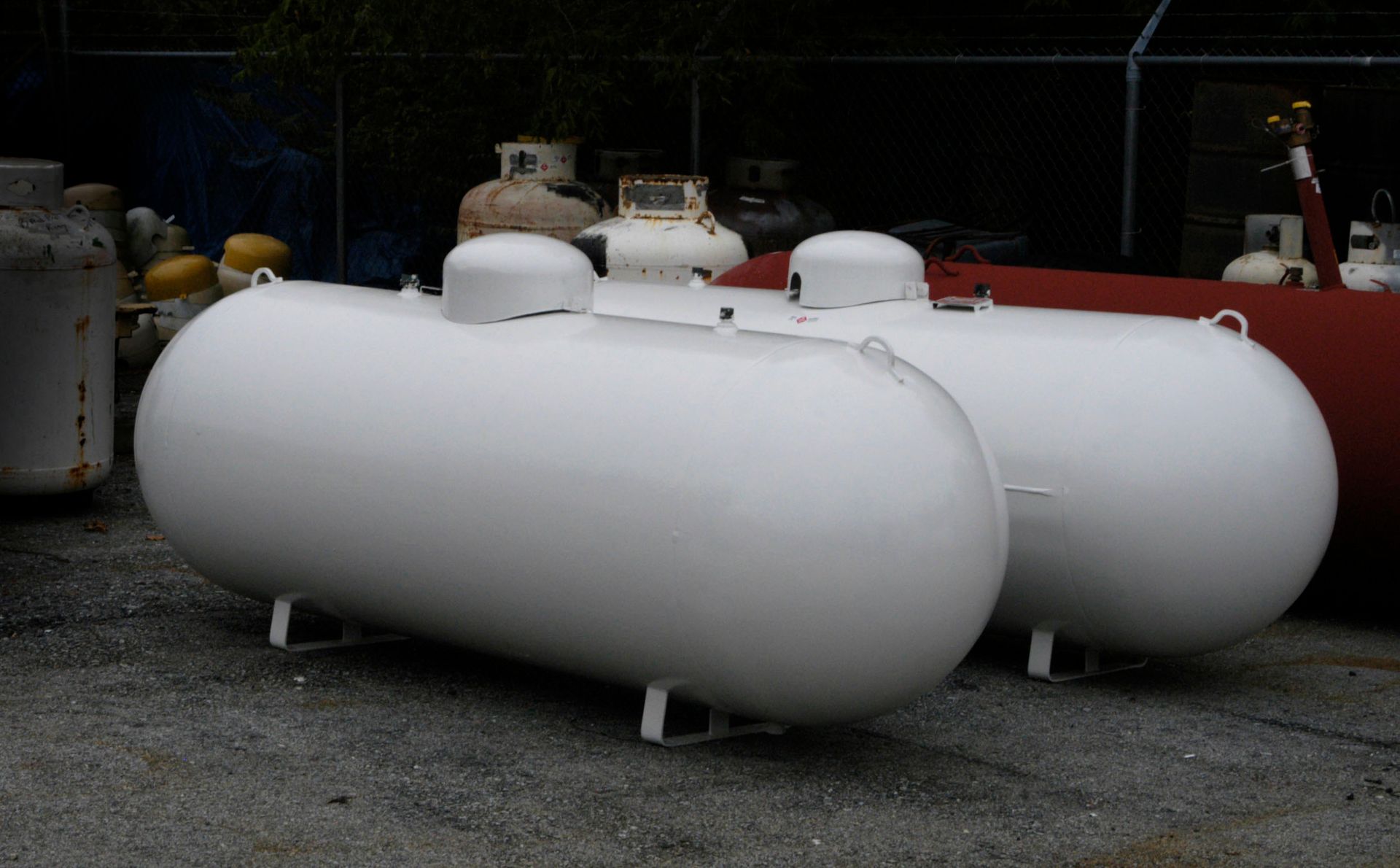
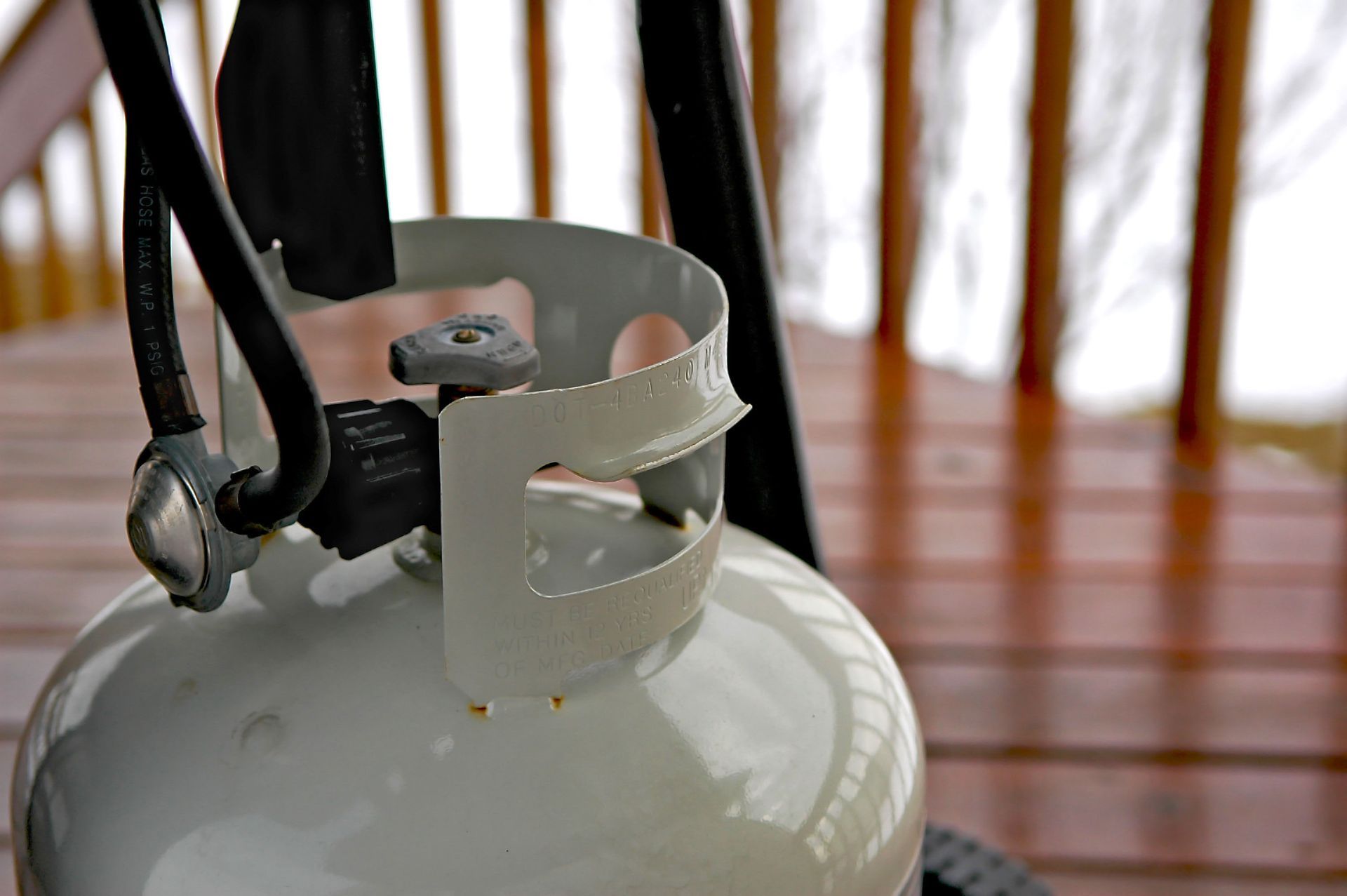
Because winter consumption increases so sharply, customers often benefit from programs like automatic delivery or tank monitoring. These services help prevent emergency shortages and ensure a consistent supply during the most demanding season.
Recognizing Summer Shifts in Propane Gas Applications
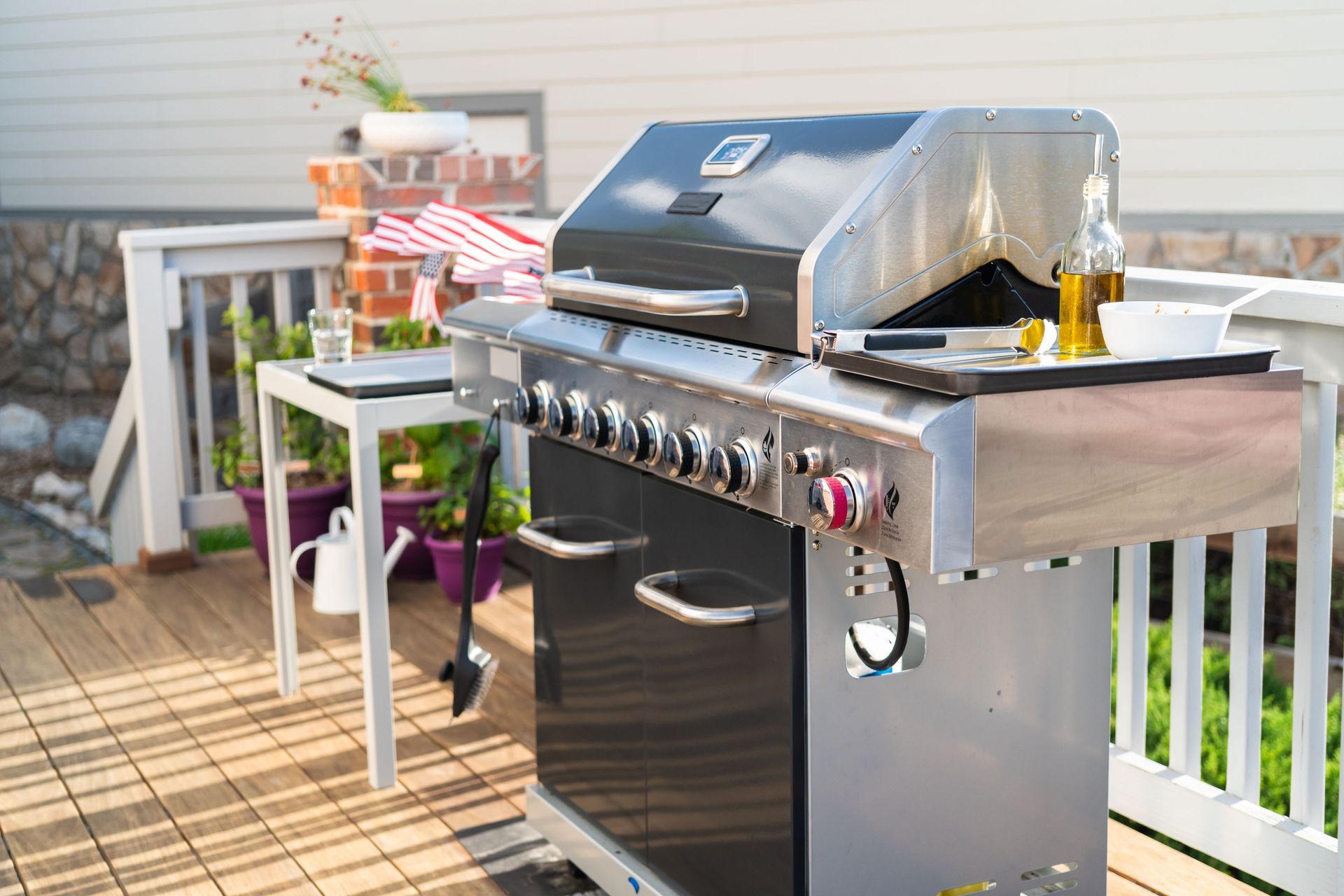
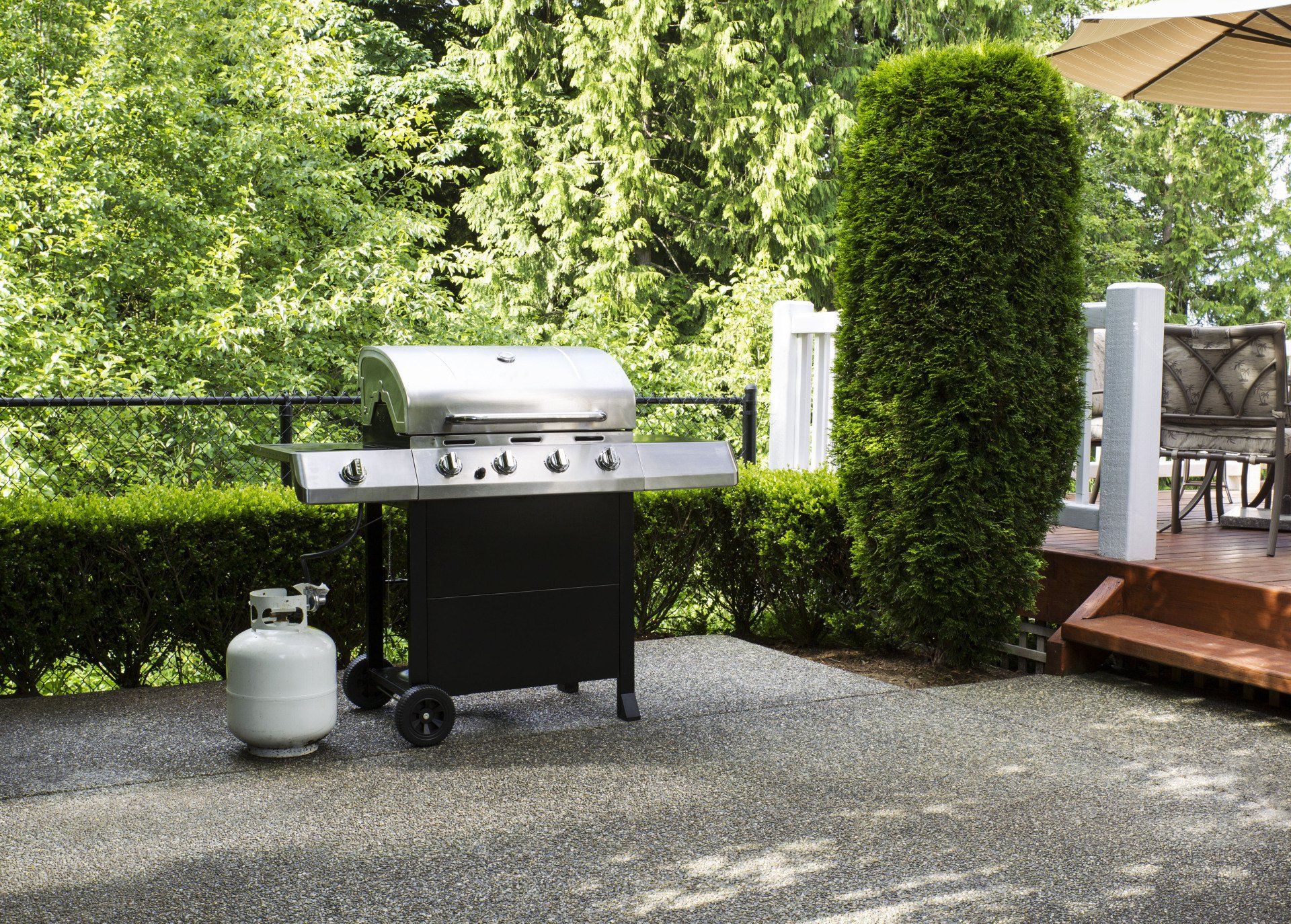
While winter focuses heavily on heating needs, summer brings a shift in how propane gas is used. During warmer months, propane powers a wide range of recreational, residential, and commercial activities. Outdoor grilling, pool heating, patio heaters, and summer kitchens rely on propane for safe, efficient operation. Many homeowners also use propane-powered clothes dryers, water heaters, and cooking appliances year-round, contributing to steady baseline consumption even during the hottest months.
Commercial and agricultural operations often experience increased propane use during the summer as well. Crop drying, weed control, water pumping, and remote power needs all depend on propane gas. Farms, in particular, may run equipment at higher levels during planting and harvest seasons, which can extend well into summer and early fall depending on the crop.
While summer demand is generally lower than winter demand, it is more varied, with consumption spread across many different activities. This makes propane an essential year-round energy source that adapts to seasonal routines.
Observing Propane Gas Consumption During Transitional Months
Spring and fall serve as transitional periods when propane gas use shifts between heating needs and warm-weather activities. During these months, consumption patterns can be unpredictable. Some days may require heating, especially early in spring or late in fall, while other days may require very little fuel at all. Because these shoulder seasons involve more variable temperatures, customers may experience fluctuations in how quickly their tanks deplete.
Fall is also a critical time for preparing for winter. Many customers schedule tank refills, system tune-ups, and safety inspections to ensure their propane appliances are ready for the colder months. Businesses may adjust their fuel delivery schedules, ensuring uninterrupted operations during peak heating season.
Spring, on the other hand, often brings reduced heating demand but increased agricultural activity. Farmers may begin using propane gas for irrigation pumps, weed flaming, grain drying, or equipment fueling as they prepare for planting seasons.
Understanding the unpredictable nature of transitional months helps customers stay proactive and avoid running low during sudden temperature drops or spikes in fuel-related activities.
Examining How Lifestyle and Industry Needs Influence Propane Gas Use
Seasonal propane gas use is not driven by weather alone. Lifestyle patterns, business operations, and industry demands significantly influence how much fuel is used throughout the year. For example, families tend to cook and grill more during summer, while businesses such as restaurants may rely heavily on propane-powered appliances year-round.
Agricultural industries experience strong seasonal shifts in propane gas consumption based on planting and harvesting cycles. Construction companies may use propane during winter for temporary heating solutions, allowing projects to continue despite freezing temperatures. Recreational industries, such as outdoor events or hospitality venues, rely on propane for heating outdoor spaces or powering temporary installations.
Standby generators—now more common due to increased weather-related power outages—also create seasonal fluctuations. Generators may run more frequently during severe storms, hurricanes, heatwaves, or winter blizzards, all of which require propane for fuel.
Each of these lifestyle and industry factors adds another layer of complexity to seasonal propane gas use, making it important for customers to track their fuel needs and adjust their delivery schedules accordingly.
Preparing for Seasonal Fluctuations in Propane Gas Supply and Pricing
Seasonal propane gas use also affects supply levels and pricing trends. High winter demand often leads to increased prices as suppliers work to meet nationwide heating needs. Logistics challenges—such as icy roads, supply chain slowdowns, and limited storage capacity—can also influence costs.
During summer, propane production remains strong, but demand shifts, allowing prices to stabilize or decline. This makes the warmer months an ideal time to pre-buy propane gas or schedule deliveries when costs may be lower.
Consumers can better manage seasonal changes by partnering with a trusted propane supplier that offers budget plans, automatic delivery, price protection programs, and tank monitoring services. These tools make it easier to anticipate fuel costs and avoid unexpected shortages.
Understanding how seasonal fluctuations impact pricing empowers customers to make informed decisions and keep their propane supply steady throughout the year.
Propane gas remains a dependable, versatile energy source that adapts to changing seasons and shifting customer needs. From the dramatic spikes in winter heating demand to the diverse applications of spring, summer, and fall, its usage patterns are shaped by temperature, lifestyle, industry demands, and supply trends. By understanding these seasonal shifts, customers can better plan their fuel needs, manage costs, and maintain uninterrupted service throughout the year. For dependable support and expert guidance on managing your propane needs in every season, reach out to Gray's Gas, Inc today.


Share On: