
Understanding the Impact of Residential Propane Use in Caring for the Environment
Propane is a widely used energy source in residential settings, valued for its versatility and performance in a wide range of home applications. Homeowners use it for heating, cooking, water heating, and powering a variety of household appliances. As part of modern home energy systems, propane supports both everyday comfort and seasonal needs, especially in areas where dependable heating is essential. It is often integrated into household systems as part of long-term energy planning, supporting consistent day-to-day living throughout the year.
This article explores how propane is commonly used in residential environments, the systems it supports, and the practical considerations involved in maintaining propane-powered equipment in the home. It also provides a closer look at how these systems fit into everyday household routines and the different ways homeowners incorporate propane into their living spaces. Overall, propane plays a consistent role in supporting energy needs across a wide range of residential applications and configurations.
Residential Energy Applications
Propane plays a central role in many household systems, particularly in homes that rely on it as a primary or supplemental energy source. It supports a wide range of daily functions, making it a common component in both new and existing residential setups. In many households, propane is integrated into core systems that operate throughout the year to maintain comfort and functionality. These systems are often planned as part of long-term energy strategies that support consistent home performance.
Heating Home Living Spaces
Propane is commonly used to fuel home heating systems, helping maintain consistent indoor temperatures during colder months. It is often connected to furnaces and other heating equipment designed for residential use, operating quietly in the background to support daily comfort. In many homes, propane supports steady indoor conditions even during extended cold periods. These systems are typically integrated into broader heating setups that operate smoothly throughout seasonal changes.
Cooking Kitchen Appliances
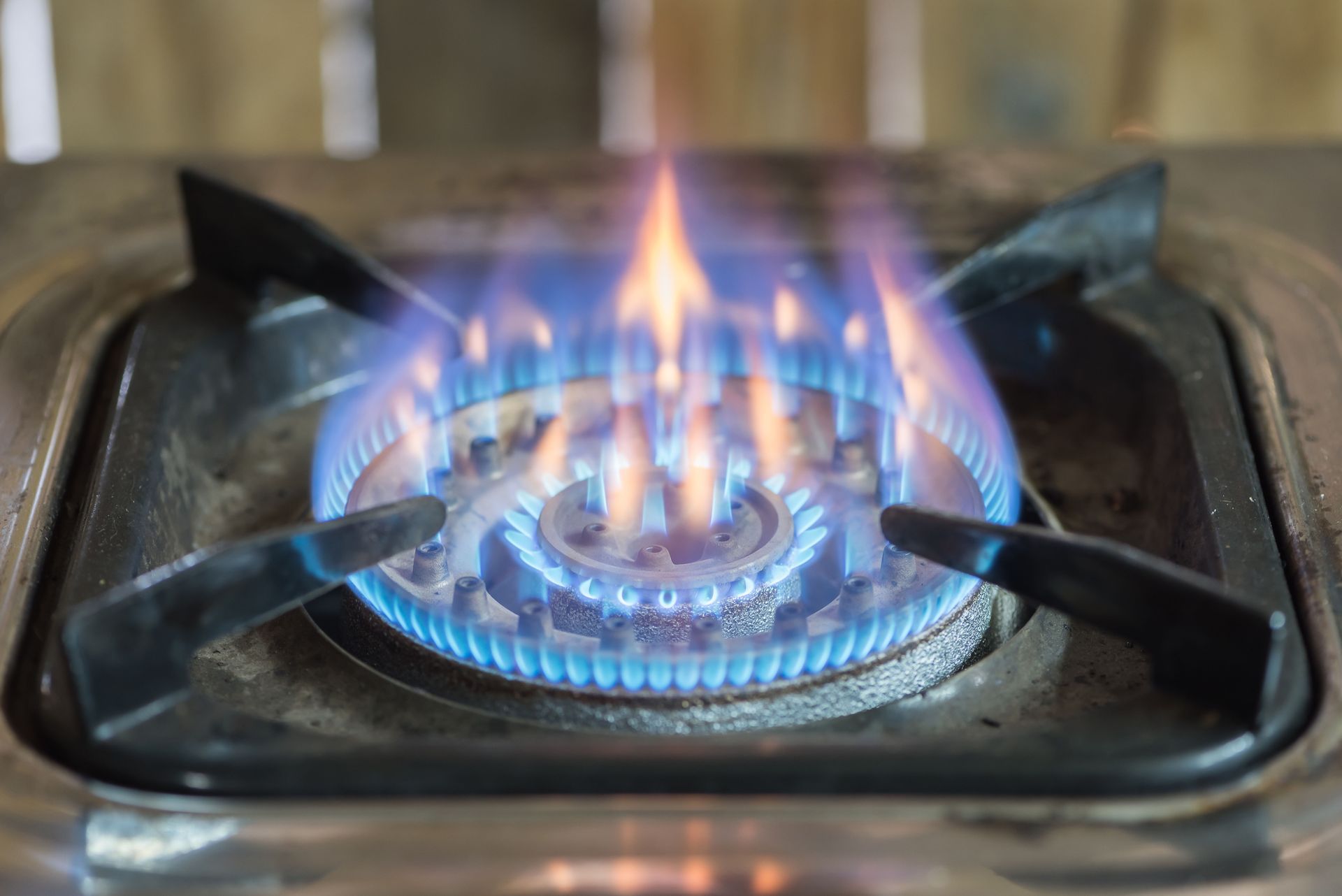
Many households use propane for cooking because it provides steady and responsive heat control. It is commonly used in stoves, ovens, and cooktops, supporting a wide range of meal preparation needs. In residential kitchens, propane supports both simple daily cooking and more detailed recipes that require precise temperature control. This energy source is often a central part of kitchen functionality and routine meal preparation.
Operating Tankless Water Heating Systems
Propane-powered water heaters are widely used in residential properties, providing hot water for daily activities such as bathing, cleaning, and laundry. These systems are typically part of a household's core infrastructure, supporting multiple points of use throughout the home. They are designed to deliver hot water on demand while maintaining efficient operation across varying usage levels. The consistency of these systems makes them a common choice in many residential layouts.
Delivering and Storing Fuel Systems
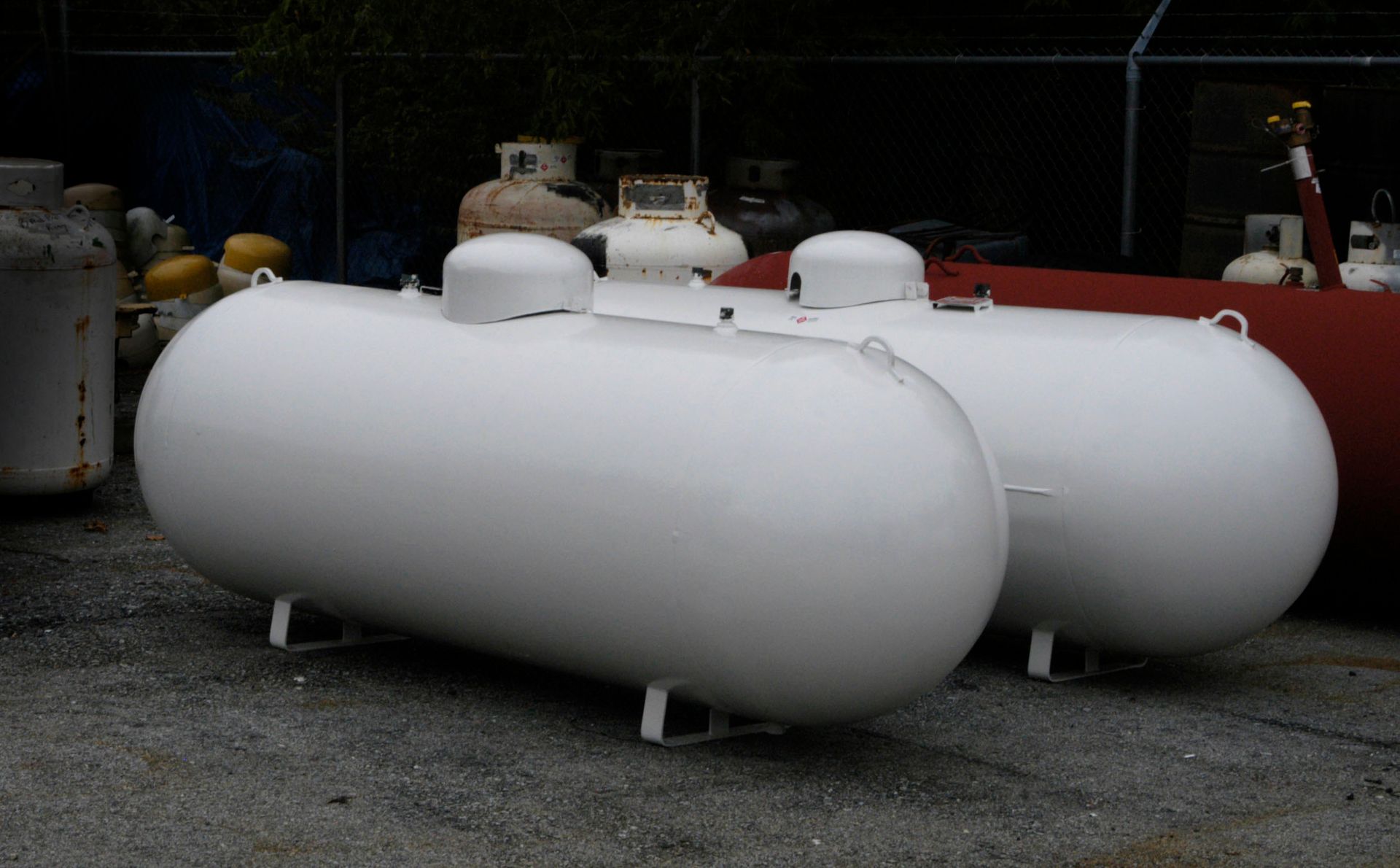
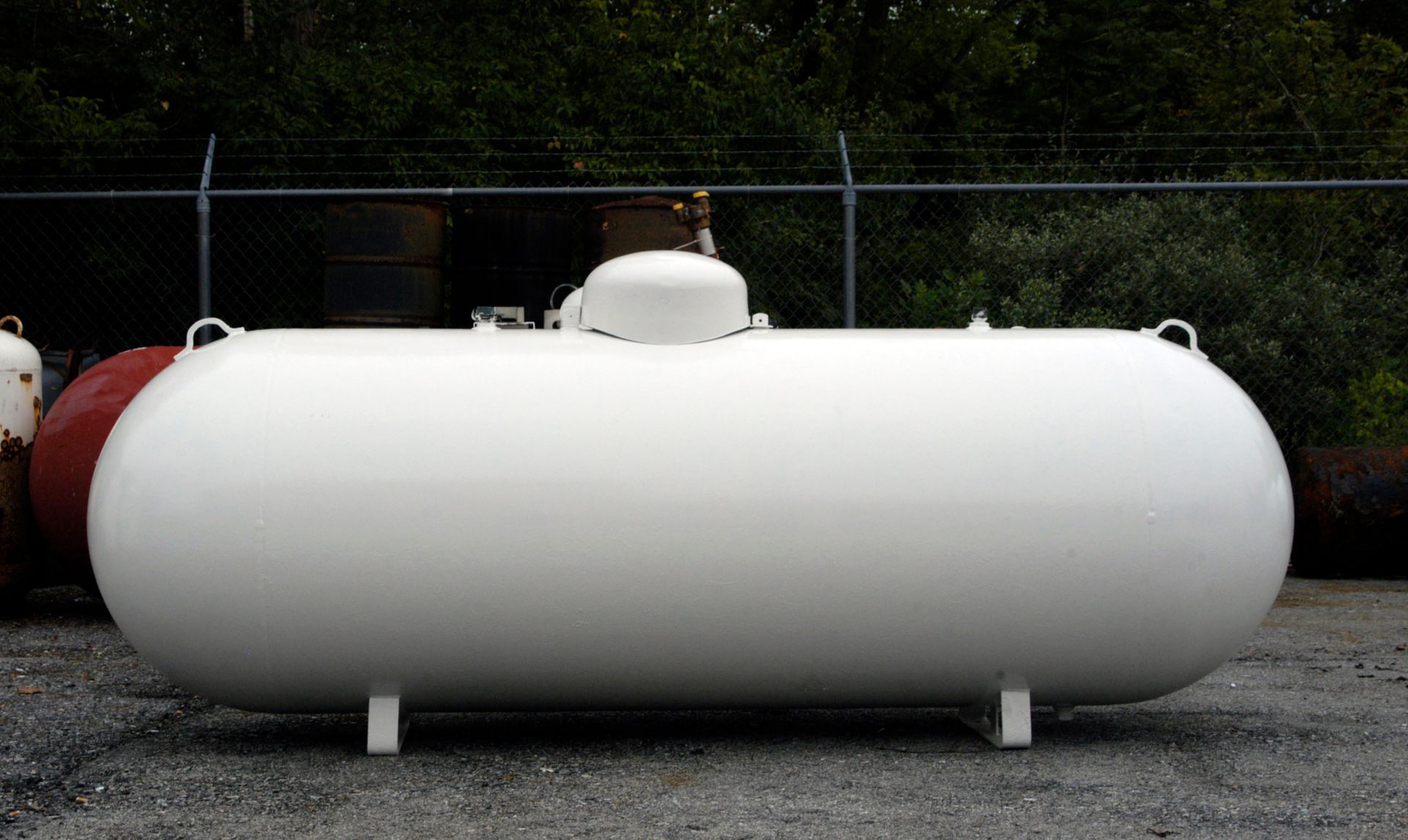
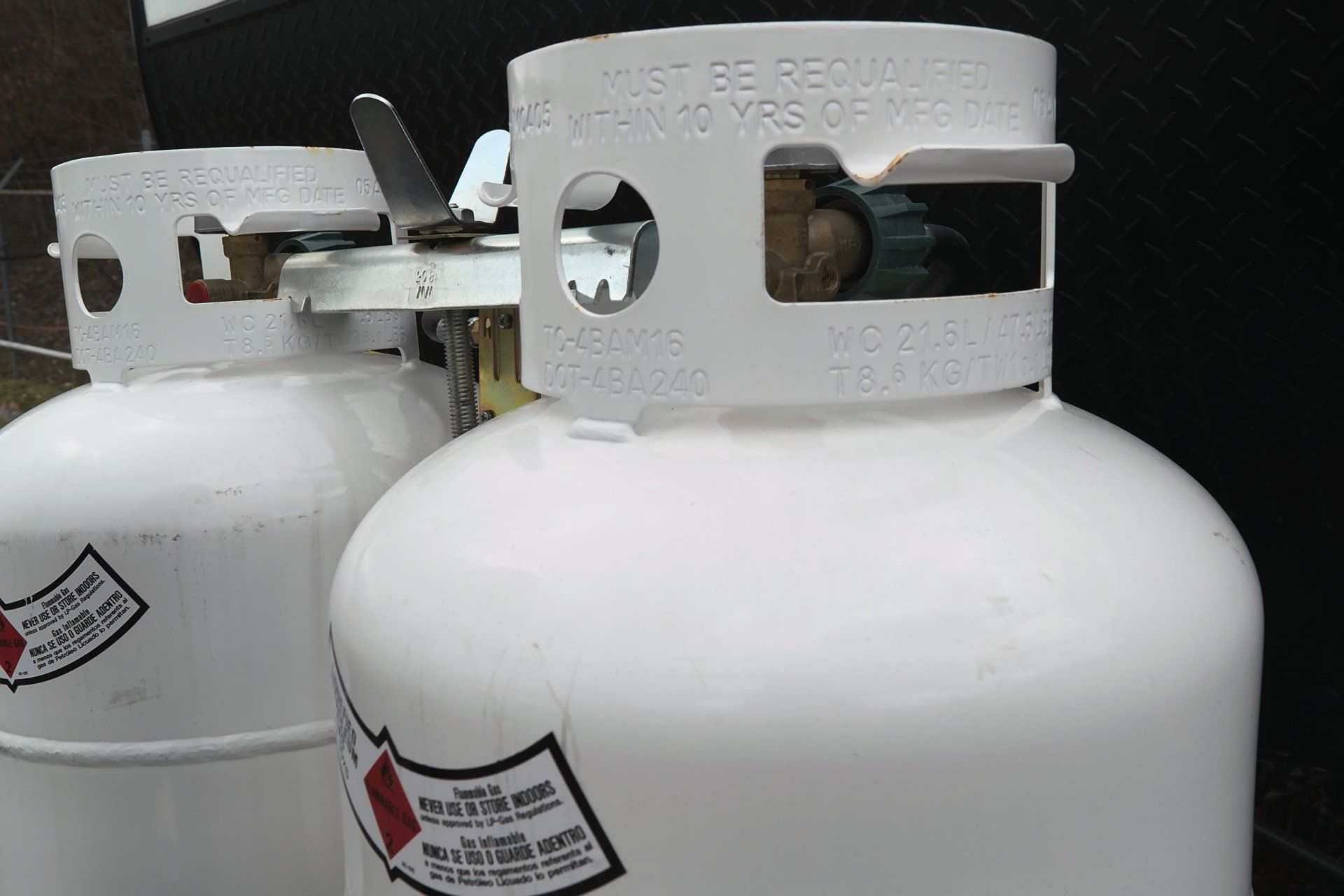
Residential energy systems rely on properly sized tanks and consistent fuel delivery to maintain ongoing household operation. These systems are designed to support continuous usage across multiple appliances and seasonal demands. Storage configurations vary depending on household size and energy requirements, ensuring adequate supply for daily living. Delivery schedules are typically structured around usage patterns and environmental conditions.
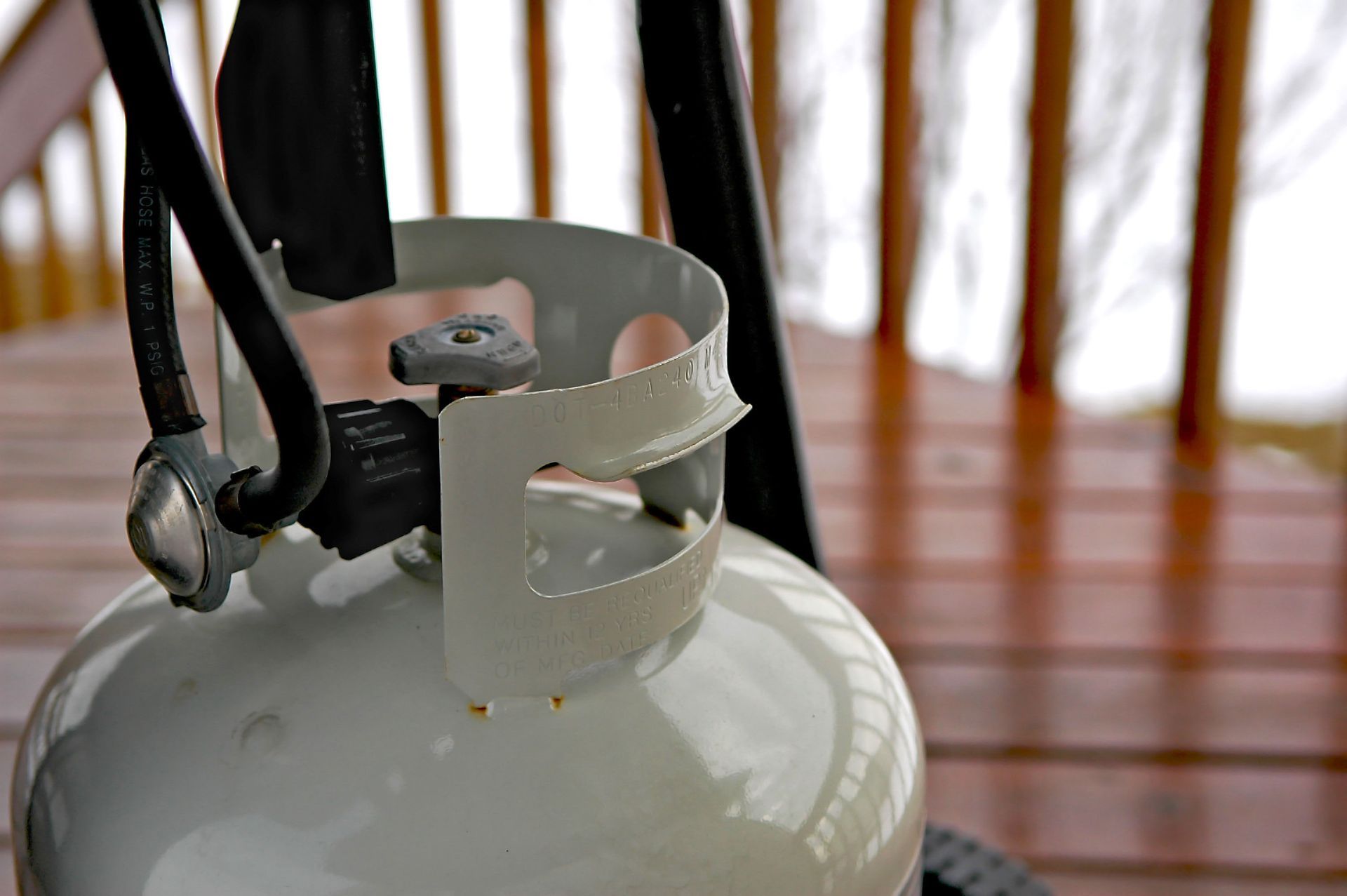
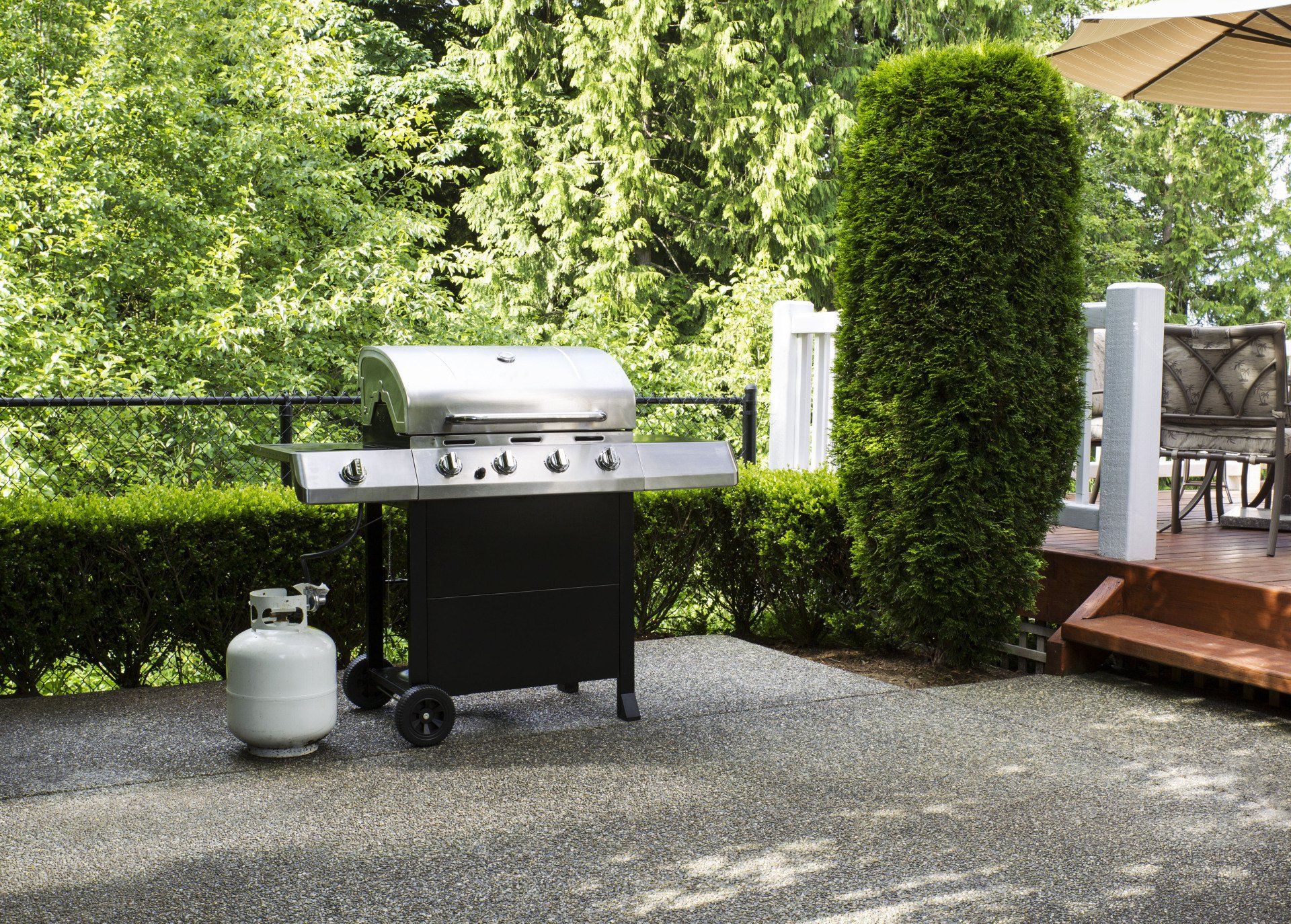
- Small portable cylinders for grills and outdoor equipment are commonly used for short-term and seasonal needs. These cylinders support flexibility in outdoor cooking and recreational use. They are typically stored safely when not in use and connected only when needed.
- Medium tanks for residential appliances support a range of household systems, including heating and cooking. These tanks are often installed for moderate usage levels across multiple appliances. They are refilled on a scheduled basis to maintain consistent availability.
- Larger tanks for full-home heating systems are designed to support higher-demand households. These tanks provide extended fuel capacity for continuous operation. They are often installed in fixed outdoor locations to support long-term energy needs.
Using Fireplaces and Heating Systems in Living Spaces
Residential fireplaces and heating units are often used to improve comfort and enhance interior living spaces. These systems are commonly integrated into shared areas such as living rooms or dens, where they contribute to both warmth and ambiance. They are designed to operate efficiently while complementing the overall home environment. Many households incorporate these systems as part of their interior comfort planning.
- Installing Built-In Fireplace Units are installed directly into home structures for long-term use. These systems are designed to provide consistent heat and visual appeal. They are often included in home design plans during construction or renovation.
- Using Freestanding Heating Stoves offer flexible placement within residential spaces. These units can be relocated depending on household layout and seasonal needs. They are commonly used in areas requiring supplemental heating.
- Mounting Wall Heaters are installed to maximize space efficiency in smaller rooms. These systems provide targeted heating for specific areas of the home. They are often used in compact or modern residential designs.
- Adding Decorative Heating Features combine functionality with design elements. These units enhance room atmosphere while providing supplemental warmth. They are typically chosen for aesthetic integration into interior design.
Routine Maintenance And Safety Systems
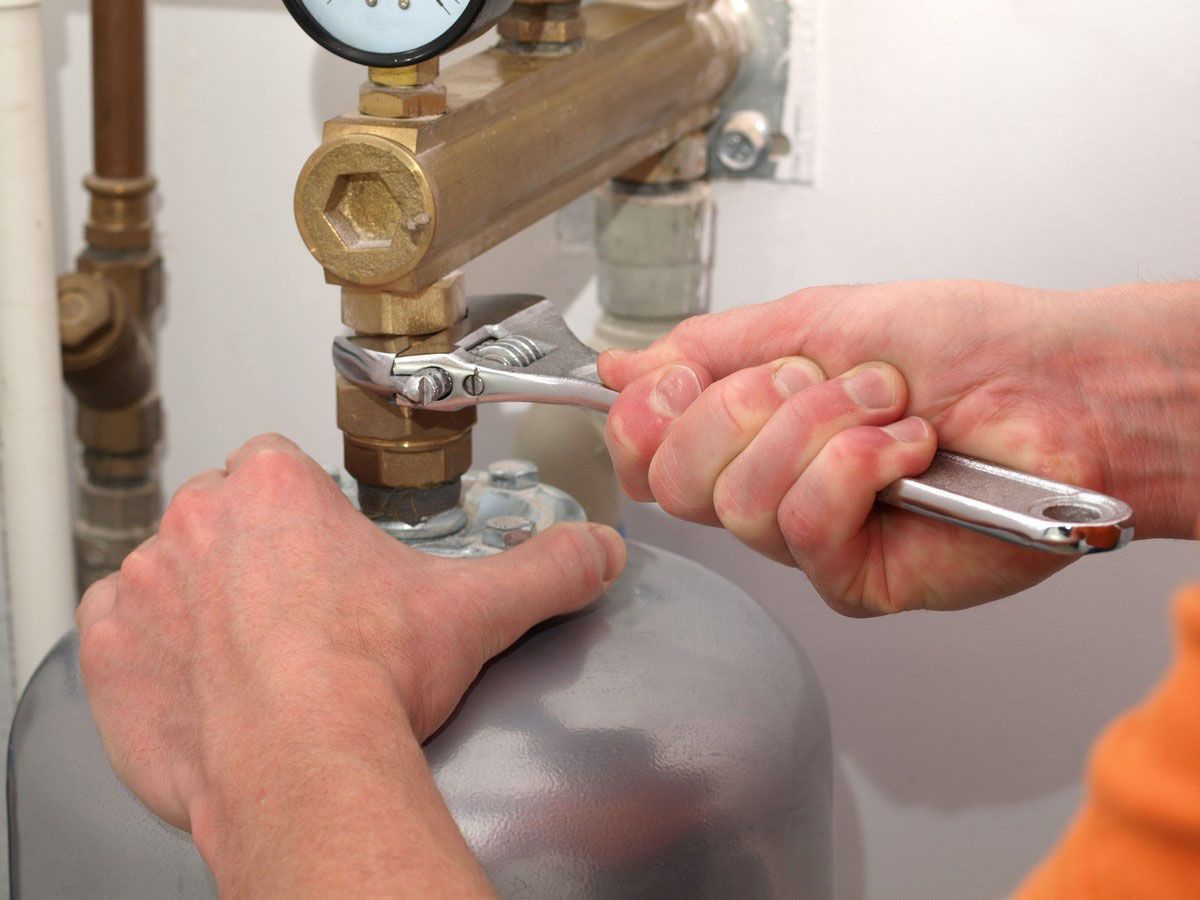
Regular maintenance is an important part of ensuring safe and efficient operation across residential energy systems. These systems require periodic inspections and performance checks to maintain efficiency. Routine servicing helps identify potential issues before they affect household operation. Maintenance schedules are often aligned with seasonal usage patterns and long-term system care. Consistent upkeep also helps extend the lifespan of equipment and supports reliable day-to-day performance.
- Inspecting Systems and Equipment involve evaluating overall equipment condition and performance. These inspections help ensure that systems operate within expected parameters. They are typically performed on a scheduled basis throughout the year.
- Checking for Leaks are conducted to identify any potential safety concerns within connected systems. These checks help maintain safe operation across all household equipment. They are an essential part of routine maintenance procedures.
- Evaluating Appliance Performance assess how efficiently systems are operating. These evaluations help ensure consistent output and functionality. They are often used to determine whether adjustments or servicing are needed.
- Checking Regulators and Connections ensure that system components remain properly secured. These checks help maintain stable energy flow throughout the home. They are typically included in standard maintenance routines.
Practical Home Energy Role
Energy systems like propane provide flexible support for a wide range of household needs, including heating, cooking, and daily living activities. These systems are often integrated into both essential infrastructure and lifestyle features that support comfort and convenience. They contribute to consistent household operation across seasonal changes and varying demand levels. Their role in residential environments is both functional and adaptable, supporting long-term energy planning.
Residential energy systems also support broader household efficiency by maintaining steady performance across multiple applications. They are commonly incorporated into both new builds and existing homes as part of long-term planning. According to Propane.com, residential construction builders using propane-powered systems collectively saw an average household reduction in carbon dioxide emissions of 35%. This reflects how system-wide adoption can influence overall household energy outcomes.
For homeowners seeking additional support, Gray's Gas, Inc provides residential propane delivery, appliance installation and service, tankless water heating options, and heating and fireplace system solutions for homes and businesses. To learn more about propane delivery, installation services, and system support options, Gray's Gas, Inc invites you to learn more about available solutions for residential energy needs.


Share On: